How to Build a Retro Gaming Setup: A Beginner’s Guide
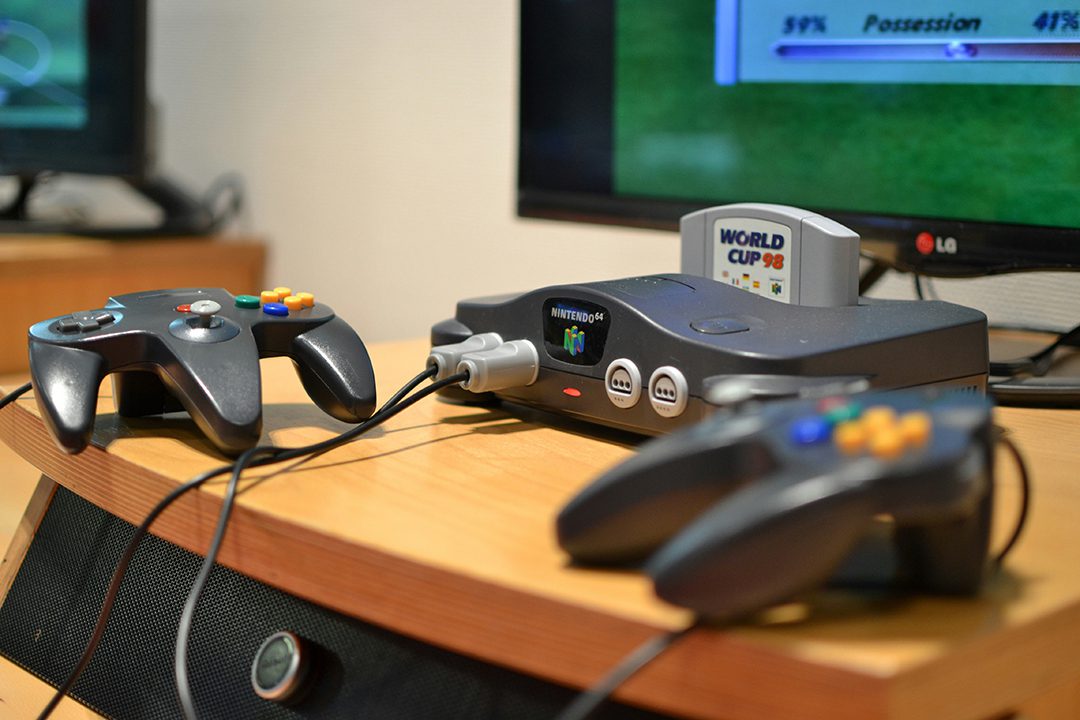
There’s something pretty special about turning on an old console – the chunky clicks of turning it on, the familiar sound of a cartridge loading, and the excitement about revisiting childhood favourites.
The good news? You don’t need an entire room full of tech to recreate that experience.
Whether you’re returning to the games you grew up with or starting your retro collection for the first time, a great retro gaming setup can be surprisingly simple.
Here’s what you actually need to get started.
1. Start with the console you actually want to play
The easiest mistake to make when building a retro setup is trying to collect everything at once.
You don’t need a Famicom, Super Famicom, N64, Mega Drive, PlayStation and CRT television on day one.
Start with one console.
Maybe it’s the console you grew up with. Maybe it’s one you’ve always wanted to own. Or maybe you’ve discovered a particular library of games that you want to explore.
For Japanese retro gaming, consoles like the Famicom, Super Famicom and Nintendo 64 are a great place to start.
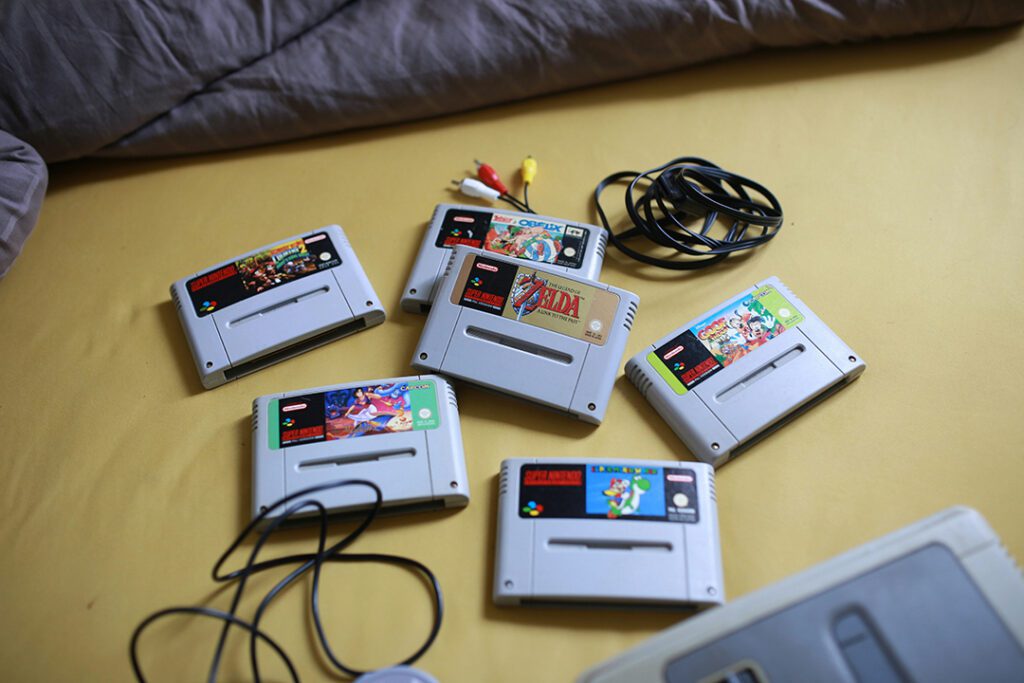
The Super Famicom is particularly interesting because Japan had a huge library of games that either never made it to Australia or were released differently in other regions.
Once you’ve got your first console, everything else can grow around it.
2. Decide whether you want original hardware
There are plenty of ways to play retro games today.
You can use modern re-releases, digital collections, emulation, FPGA systems or original consoles.
None of these options is inherently wrong.
But if you’re building an authentic retro gaming setup, original hardware offers something that is difficult to replicate.
You’re using the original controller.
You’re putting the original cartridge into the console.
You’re navigating the menus and quirks of hardware designed decades ago.
And you’re playing the same physical game that someone else might have played in the 90s.
For collectors, the hardware itself is part of the experience.
3. Think about your display
This is where retro gaming can get complicated.
Older consoles were designed for older televisions, which means the image they produce doesn’t always look quite right on a modern flat-screen TV.
You have a few options.
A modern TV
The easiest option is simply to connect your console to the television you already own. Depending on your console and cables, you may need an adapter or upscaler to get the best result.
This is the most practical option if you want to actually play rather than spend your weekend researching video signals.
A CRT television
For the full old-school experience, you could go with a CRT.
These are the big, heavy televisions many of us grew up with.
There is a reason retro enthusiasts still love them. Older consoles were designed around the characteristics of CRT displays, and the resulting image has a distinctive look.
Of course, they’re also large, heavy and increasingly difficult to find in good condition, so don’t feel like you need one to enjoy retro gaming.
A Projector
If you’re looking for something a little more immersive, a projector can be a fun option. It can also be a great solution if you don’t want a permanent gaming setup taking over your living room.
The main thing to consider is the projector’s input compatibility and latency. Some projectors introduce noticeable input lag, which can make timing-based games feel less responsive.
For casual gaming, this may not bother you at all. For games where precise timing matters, it’s worth checking before you buy.
A Portable Monitor
A portable monitor is another interesting option, particularly if you’re short on space or want a retro setup you can move around easily. They’re compact, relatively lightweight and can give you a dedicated screen without needing to commit to a full-sized television.
They’re also handy for testing consoles, setting up a temporary gaming station or taking your setup somewhere else. As with projectors, check the inputs and make sure you have the right cables or adapters for your console.
A portable monitor won’t necessarily give you the same look as a CRT, but it can be a practical middle ground between a traditional TV and a completely portable gaming setup.
There isn’t one “correct” retro display
A CRT might be perfect for one collector, a modern TV might make more sense for another.
Someone else might want a projector and a huge wall-sized image, while a portable monitor might be exactly what another player needs.
The best display is ultimately the one that fits your space, your budget and the way you actually want to play.
4. Don’t forget the controller
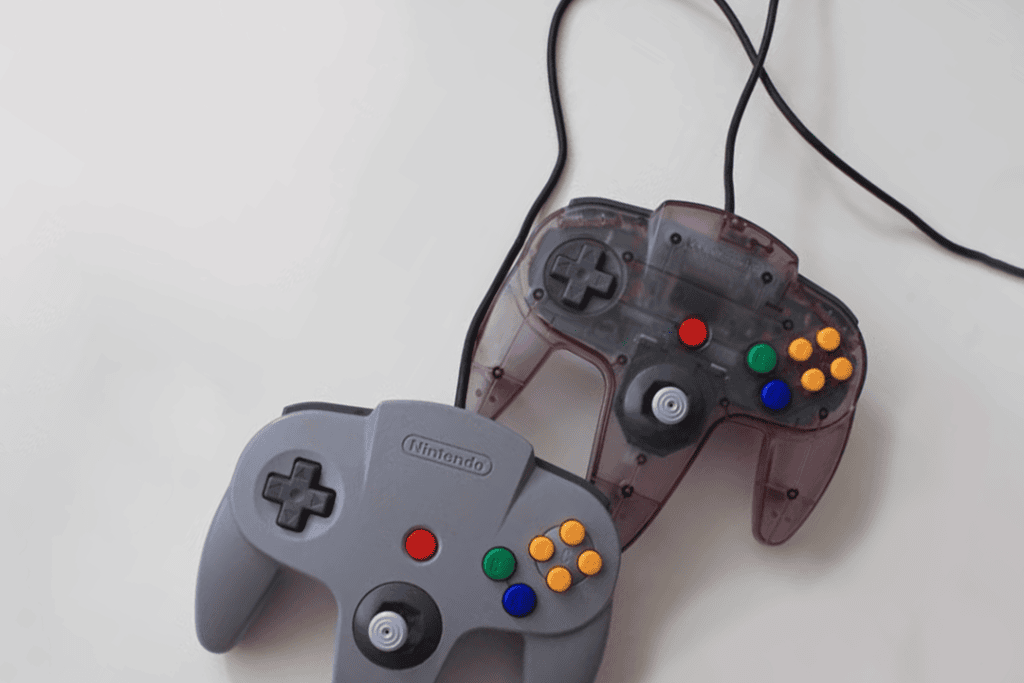
A controller can completely change how a retro game feels. Modern controllers are incredibly capable, but older games were designed around specific button layouts, shapes and control schemes. In other words, the original controller is part of the experience.
Think about playing a Nintendo 64 game without that weird-but-perfectly-designed N64 controller. Or a Super Famicom game without the familiar four-button layout.
If you’re buying a used console, it’s worth paying attention to the condition of the controller as well as the console itself.
5. Start with games you actually want to play
This sounds obvious, but it’s one of the best pieces of advice for starting a retro game collection.
Don’t buy something just because it is supposedly rare. Don’t buy something because a list online says it’s valuable. Buy games you actually want to put into the console.
Maybe that’s Super Mario World because you remember playing it as a kid. Maybe it’s Super Mario Kart because you want something to play with friends. Maybe you’ve always wanted to try a Japanese-exclusive game you’ve never encountered before.
A collection doesn’t need to be huge to be good. Five games you love are better than fifty games you’ll never play.
6. Japanese games can open up a whole new library
If you’re interested in retro gaming, Japanese imports are worth exploring. Japan received a huge number of games that never received an Australian release.
The Super Famicom library in particular is full of games that are either completely unfamiliar to Australian players or exist in different versions from the games we grew up with, and you don’t necessarily need to be able to read Japanese to enjoy them.
Platformers, racing games, action games and many arcade-style titles can be very accessible without understanding every piece of text. For text-heavy RPGs and adventure games, however, the language barrier can be much more significant, but that’s part of the fun of exploring the Japanese library: finding the games that work for you.
7. Keep your setup practical
You don’t need to turn your living room into a retro museum. All you really need is a place to plug in the console, a cozy spot to sit, a screen, a controller, and a couple of great games.
If you’re building your collection gradually, think about how you’re going to store your cartridges and hardware as the collection grows.
Keep cartridges somewhere dry and away from direct sunlight, and avoid stacking heavy equipment on top of consoles.
And when buying used hardware, make sure you know whether it has been tested and what that testing actually involved.
8. Build around how you play
The best retro gaming setup is the one you actually use.
If you love multiplayer games, prioritise consoles and games that you can play with friends.
If you’re a collector, you might care more about original hardware, cartridges and display.
If you mainly want to revisit childhood favourites, you may only need one console and a handful of games.
There is no correct way to build a retro gaming setup, that’s part of the appeal.
Start small. Play more.
Start with one console. Find a few games you genuinely love. Get the setup working and, most importantly, play it.
Then, if you find yourself wanting more, you can start exploring – that’s how a lot of great retro collections begin.
…and before you know it, you’re looking at a Super Famicom game you’ve never seen before and thinking: “Okay. Maybe just one more”.
Looking for Japanese retro games?
Save State Games sources authentic Japanese retro games and hardware, with a focus on tested, playable consoles and cartridges from Japan.