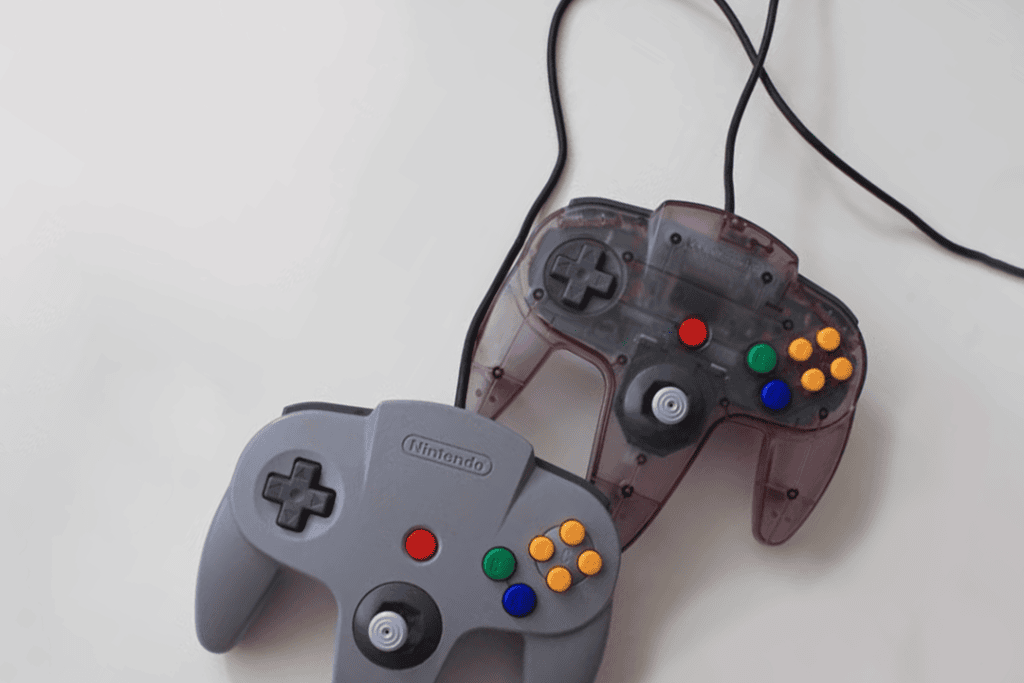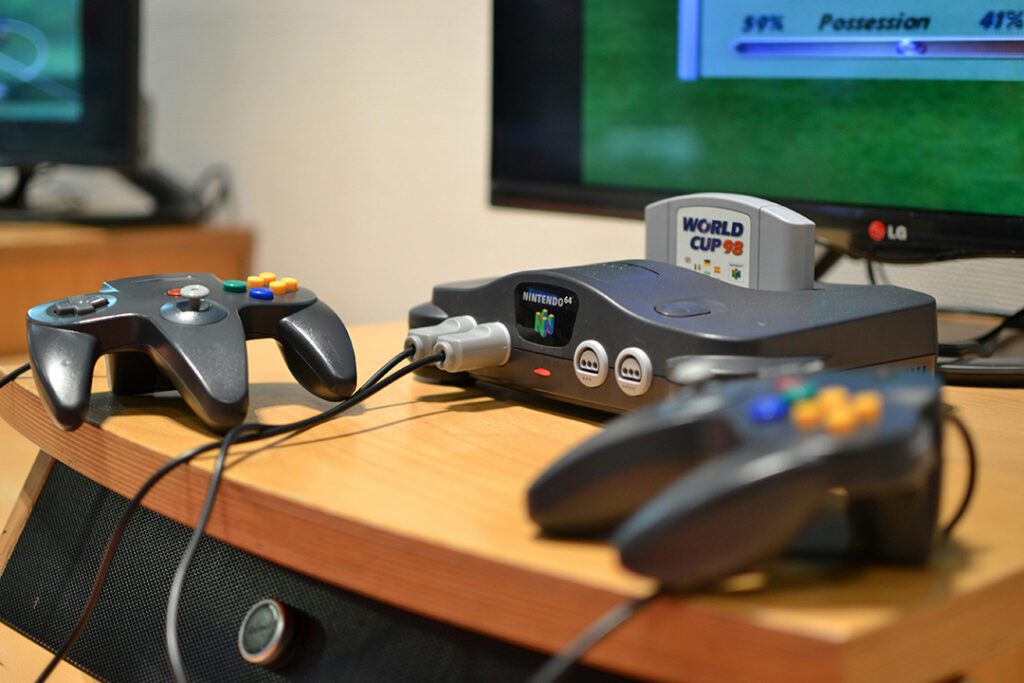
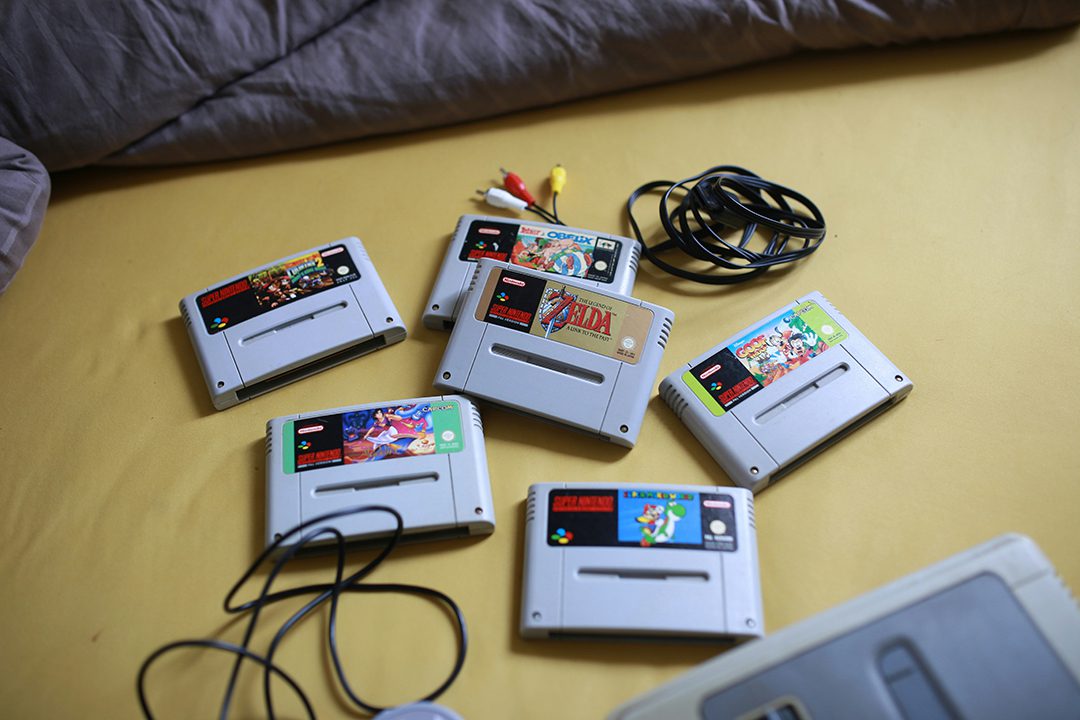
If you want to play a game from 1995 today, you have more options than ever. You could find the original console, you could track down the original cartridge, you could use an emulator, you could buy a modern re-release…so, which is best? Emulation vs original hardware?
The honest answer is: it depends on what you’re looking for.
At Save State Games, we’re obviously fans of original hardware and physical games. But that doesn’t mean emulation doesn’t have a place in retro gaming. The important thing is understanding what you’re getting with each option.
What is emulation?
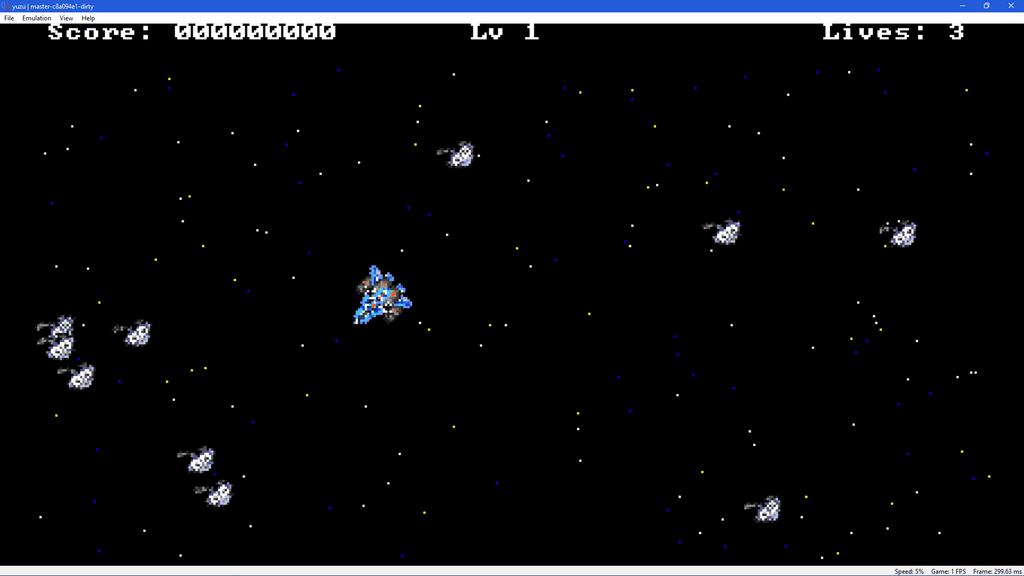
Emulation uses software to reproduce the behaviour of another piece of hardware.
In simple terms, an emulator allows a modern computer, phone, handheld or other device to behave like an older gaming console.
That means you can play games from older systems without owning the original console. For accessibility and convenience, that’s pretty incredible.
Why emulation is great
Let’s start with the obvious advantages.
It’s convenient
You don’t need to find a console, cables and controllers. You can potentially have an entire library available on one modern device.
It’s accessible
Original retro hardware can be expensive, difficult to find or simply unavailable. Emulation can give people access to games that would otherwise be difficult to experience.
It can be portable
Depending on the device, you can take an enormous library of retro games with you. That’s something the 1990s version of you could only dream about.
It can make old games easier to preserve
Retro games are decades old now. Hardware fails, cartridges deteriorate, discs become damaged.
Emulation can be an important part of the broader conversation around preserving older games.
So why would anyone still bother buying original hardware?
The case for original hardware
Playing the game isn’t always the only point. For many collectors, the physical experience matters.
Take a Super Famicom – you don’t simply have a file representing a game, you have:
- The console.
- The controller.
- The cartridge.
- A physical object that has survived for decades.
You plug it in, insert the cartridge, turn it on – a whole ritual that’s such a massive part of retro gaming.
What about nostalgia?
This is probably the biggest difference.
If you’re playing Super Mario World through an emulator on a modern laptop, you are still playing Super Mario World.
The game itself hasn’t changed.
But if your childhood memories involve sitting on the floor in front of an old television, holding a Super Nintendo controller and putting a cartridge into the console, original hardware recreates more of that experience – that’s difficult to replicate perfectly.
Is original hardware more authentic?
If authenticity is your priority, then yes.
You’re using the actual console and controller rather than recreating the experience through modern hardware and software.
But “authentic” doesn’t necessarily mean “better”.
Someone who wants to play through a favourite childhood game on a handheld emulator isn’t doing retro gaming incorrectly, they’re simply prioritising convenience.
The cost question
This is where emulation has an obvious advantage.
Original consoles and physical games cost money.
Popular games can also become expensive, particularly when you start looking for complete copies, rare variants or particularly desirable titles.
A physical collection takes space.
It takes time to build.
It also takes some research.
But that’s part of the appeal for collectors.
Finding the game.
Cleaning it.
Testing it.
Putting it on the shelf.
Then eventually taking it down again because you actually want to play it.
So which one should you choose?
Here’s our take:
Choose emulation if you value convenience and accessibility.
Choose original hardware if you value the physical experience, collecting and authenticity.
And if you love retro games, there’s absolutely nothing stopping you from doing both. You might emulate games you want to try before deciding whether you want to buy them, you might use original hardware for your favourite games, you might have a physical collection at home and an emulator for travelling.
There isn’t a rulebook.
Why we still love original games
At Save State Games, we like having the real thing.
The cartridge. The console. The controller. The little ritual of putting a game in, turning it on and getting straight into it.
There’s something satisfying about keeping these older games in play, and sometimes, the best part of playing an old game is doing it the same way you did twenty or thirty years ago.
Emulation or original hardware?
There’s no wrong answer.
If emulation gets more people playing classic games, that’s a good thing.
If original hardware keeps physical games and the experience of using them alive, that’s a good thing too.
Ultimately, retro gaming is about enjoying games that have stuck around for a reason.
How you choose to play them is up to you.
But if you want to know what it feels like to put an original Japanese cartridge into an original console and hit the power button…
That’s something we can definitely get behind.
Explore original Japanese retro games
Save State Games specialises in authentic Japanese imports, including Super Famicom, Famicom and Nintendo 64 games and hardware.